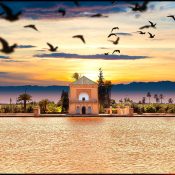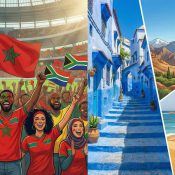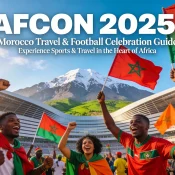
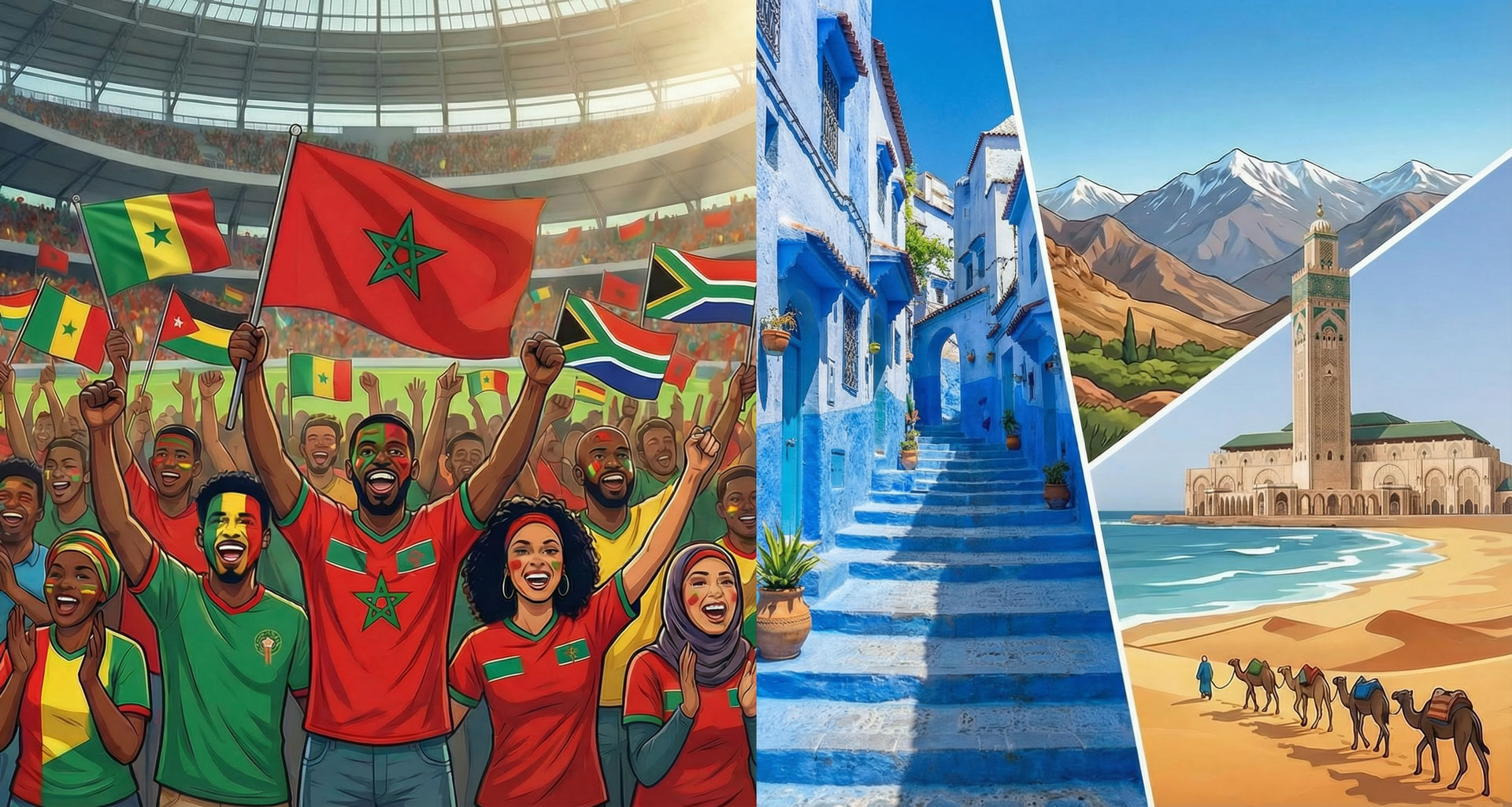
Welcome football fans to the Kingdom of Morocco! As you prepare to witness the passion and drama of the Africa Cup of Nations (AFCON), you have a unique opportunity to explore one of the most diverse and captivating countries in the world. Morocco is not just a football destination; it’s a land of ancient cities, stunning landscapes, warm hospitality, and incredible culinary traditions. This guide is designed to help you make the most of your trip, combining your love for the beautiful game with an unforgettable adventure. From the modern metropolis of Casablanca to the golden dunes of the Sahara, prepare to be enchanted.
Casablanca: The Modern Metropolis and Architectural Marvel
As one of the main entry points for international flights and a likely host city for key matches, Casablanca is a fantastic starting point for your Moroccan journey. This bustling economic hub offers a unique blend of modernity and tradition. The city’s most iconic landmark, the Hassan II Mosque, is a must-see. Perched dramatically on a promontory overlooking the Atlantic Ocean, it is one of the largest mosques in the world and a masterpiece of Moroccan craftsmanship. Its towering minaret, the tallest in the world at 210 meters, is topped with a laser beam pointing towards Mecca. Inside, you can marvel at the intricate mosaics, carved wood, and a retractable roof that opens to the sky. Non-Muslims can visit the mosque on guided tours, which are a fantastic way to learn about its history and architecture.
Beyond the mosque, take a stroll along the Corniche, a lively beachfront promenade lined with cafes, restaurants, and clubs, perfect for soaking up the sea breeze and enjoying some seafood. The city’s French colonial architecture in the downtown area provides a fascinating contrast to the traditional Moroccan style. For a taste of local life, visit the central market or the Quartier Habous, a “new medina” built by the French in the 1920s, where you can find traditional crafts and pastries.
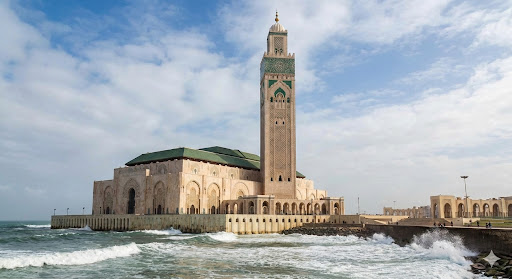
Image 1: The magnificent Hassan II Mosque in Casablanca.
Marrakech: The Red City’s Vibrant Soul
No trip to Morocco is complete without a visit to Marrakech, the “Red City.” Famous for its historic medina, bustling souks, and vibrant main square, Marrakech is a sensory overload in the best possible way. At its heart is the Jemaa el-Fnaa, a UNESCO World Heritage site. By day, it’s a vast open space with orange juice stalls and snake charmers. As dusk falls, it transforms into a spectacular open-air theater. Storytellers, musicians, and acrobats draw crowds, while hundreds of food stalls set up, filling the air with the mouth-watering aroma of grilled meats and spices. It’s the perfect place to grab a cheap, delicious dinner and soak up the electric atmosphere.
Lose yourself in the labyrinthine souks that radiate from the square. Here, you can haggle for everything from leather goods and Berber rugs to spices and traditional lamps. For a more serene experience, visit the Majorelle Garden, a stunning botanical garden designed by French painter Jacques Majorelle and later owned by Yves Saint Laurent. The garden’s vibrant cobalt blue buildings and exotic plant collection offer a peaceful escape from the city’s hustle. Other must-see historical sites include the Bahia Palace, a masterpiece of Moroccan architecture with its ornate courtyards and gardens, and the 12th-century Koutoubia Mosque, whose minaret is the city’s most famous landmark.
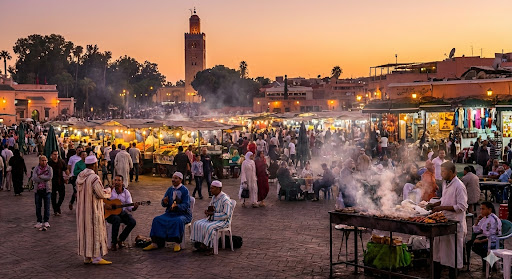
Image 2: The bustling Jemaa el-Fnaa square in Marrakech at dusk.
Fes: A Journey Back in Time
For those seeking a deeper dive into Morocco’s history and culture, Fes is an absolute must-visit. It is the country’s spiritual and cultural capital, home to the oldest university in the world, the University of Al Quaraouiyine. The city’s medina, Fes el-Bali, is a UNESCO World Heritage site and the largest car-free urban area in the world. Stepping into its narrow, winding alleyways feels like stepping back in time. Donkeys are the main mode of transport for goods, and traditional artisans can be seen working in their small workshops, practicing crafts that have been passed down for generations.
One of the most iconic sights in Fes is the Chouara Tannery. You can view the centuries-old process of leather tanning from the terraces of surrounding leather shops. The sight of men working in the honeycomb of colorful stone vats, filled with natural dyes, is unforgettable. Be prepared for the strong smell, but it’s a small price to pay for such a unique experience. Other highlights include the intricate tilework and carved wood of the Bou Inania Madrasa and the monumental Bab Bou Jeloud (Blue Gate), the main entrance to the medina.
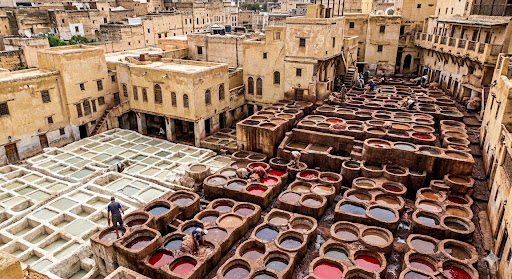
Image 3: The ancient Chouara Tannery in the medina of Fes.
Rabat: The Elegant Capital
As Morocco’s political capital and one of its four imperial cities, Rabat offers a more relaxed and orderly atmosphere compared to Casablanca or Marrakech. It is a city where history and modernity coexist harmoniously. A key attraction is the Hassan Tower, the minaret of an incomplete mosque begun in 1195. It was intended to be the largest minaret and mosque in the world, but construction stopped after the death of Sultan Yacoub al-Mansour. Today, the tower stands as an impressive monument, surrounded by the columns of the unfinished prayer hall. Opposite the tower is the beautiful Mausoleum of Mohammed V, the final resting place of the current king’s grandfather and father. The mausoleum is a masterpiece of modern Alaouite dynasty architecture.
Another highlight is the Kasbah of the Udayas, a picturesque fortress built in the 12th century. Its blue and white painted streets, Andalusian gardens, and panoramic views of the Atlantic Ocean and the Bou Regreg river make it a delightful place to wander. Rabat’s medina is also worth exploring, offering a more laid-back shopping experience than its counterparts in Marrakech or Fes. The city’s modern tram system makes getting around easy and convenient.
Image 4: The Hassan Tower and pillars of the unfinished mosque in Rabat.
Agadir & Taghazout: Sun, Sand, and Surf
After the excitement of the matches and the sensory overload of the medinas, you might be craving some relaxation by the sea. Agadir, located on Morocco’s southern Atlantic coast, is the country’s premier beach resort destination. It boasts a long, crescent-shaped beach with golden sand and calm waters, perfect for swimming and sunbathing. The city was rebuilt after a devastating earthquake in 1960, so it has a modern feel with wide avenues, large hotels, and a lively marina. You can take a walk up to the ruins of the old Kasbah, the Agadir Oufella, for panoramic views of the city and the bay.
Just a short drive north of Agadir is the village of Taghazout, a world-renowned surfing destination. With its laid-back vibe, surf shops, and cafes overlooking the ocean, it’s a great place to catch some waves or simply watch the surfers in action. Whether you’re looking for a luxurious resort experience in Agadir or a bohemian beach escape in Taghazout, this region is the perfect place to unwind and recharge your batteries between football matches.
Image 5: A wide, sandy beach in Agadir, perfect for relaxation.
Chefchaouen: The Blue Pearl of Morocco
Tucked away in the Rif Mountains of northern Morocco is one of the most photogenic towns in the world: Chefchaouen. Known as the “Blue Pearl,” the entire medina is painted in various shades of blue, creating a surreal and calming atmosphere. The tradition of painting the town blue is said to have been introduced by Jewish refugees in the 1930s, who considered blue to be a symbol of the sky and heaven. Wandering through the narrow, winding streets, with their blue walls, blue doors, and blue stairs, is like walking through a dream. Every corner offers a new photo opportunity.
Beyond its visual appeal, Chefchaouen is a great base for exploring the surrounding mountains. You can hike to the Spanish Mosque, located on a hill overlooking the town, for stunning sunset views. The nearby Talassemtane National Park offers more challenging hikes and beautiful natural scenery, including the Akchour Waterfalls and the Bridge of God, a natural rock arch. The town itself has a relaxed vibe, with plenty of cafes and small shops selling local handicrafts, such as wool garments and woven blankets.
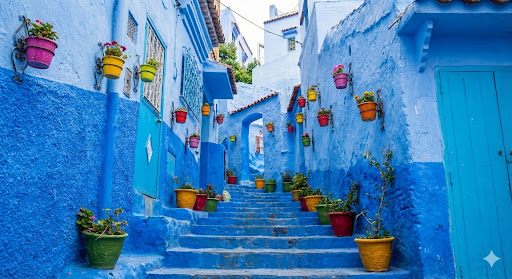
Image 6: A picturesque blue street in Chefchaouen.
The Sahara Desert: An Unforgettable Adventure
For a truly once-in-a-lifetime experience, venture away from the cities and into the vast expanse of the Sahara Desert. The most popular gateway to the dunes is the town of Merzouga, located near the impressive Erg Chebbi sand dunes, which can reach heights of up to 150 meters. A camel trek into the desert is the quintessential Sahara experience. As you ride your camel through the golden dunes, the silence is profound, and the landscape is otherworldly.
The highlight of any desert trip is spending a night at a desert camp. You can choose from a range of options, from basic Berber tents to luxurious glamping experiences with en-suite bathrooms. In the evening, you’ll enjoy a traditional dinner under a blanket of stars, with local music and drumming around a campfire. Waking up before dawn to climb a high dune and watch the sunrise over the Sahara is an experience that will stay with you forever. The shifting colors of the sand as the sun rises are truly magical.
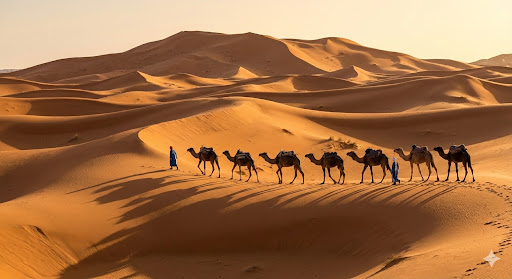
Image 7: A camel caravan crossing the dunes of the Sahara Desert.
A Culinary Journey Through Morocco
Your trip to Morocco would not be complete without indulging in its world-famous cuisine. Moroccan food is a delicious blend of Berber, Arab, Andalusian, and Mediterranean influences, known for its use of fresh ingredients and aromatic spices like cumin, coriander, saffron, and ginger. The most famous dish is the tagine, a slow-cooked stew named after the conical clay pot in which it’s cooked. Tagines can be made with chicken, lamb, beef, or fish, and are often combined with vegetables, fruits, and nuts. Another staple is couscous, traditionally served on Fridays, which consists of steamed semolina grains topped with meat and vegetables.
Don’t miss out on street food classics like grilled kebabs, savory pastries called briouats, and the hearty soup harira, which is traditionally eaten to break the fast during Ramadan. For breakfast, try msemen, a flaky, square-shaped pancake often served with honey or jam. And of course, no meal is complete without a glass of sweet mint tea, a symbol of Moroccan hospitality that is served at any time of the day.
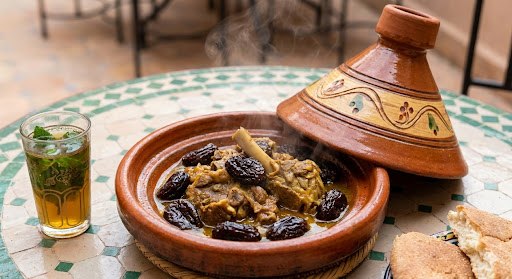
Image 8: A delicious lamb and prune tagine ready to be enjoyed.
Conclusion: The Perfect Blend of Football and Culture
As you can see, Morocco offers an incredible array of experiences for AFCON visitors. Whether you’re a history buff, a nature lover, a foodie, or just looking to relax, you’ll find something to love in this beautiful country. The tournament provides the perfect excuse to explore a land where ancient traditions blend seamlessly with modern life. So, pack your jersey, your camera, and your sense of adventure, and get ready for an unforgettable trip. Enjoy the matches, soak up the culture, and let the magic of Morocco captivate you. Your African football adventure awaits!