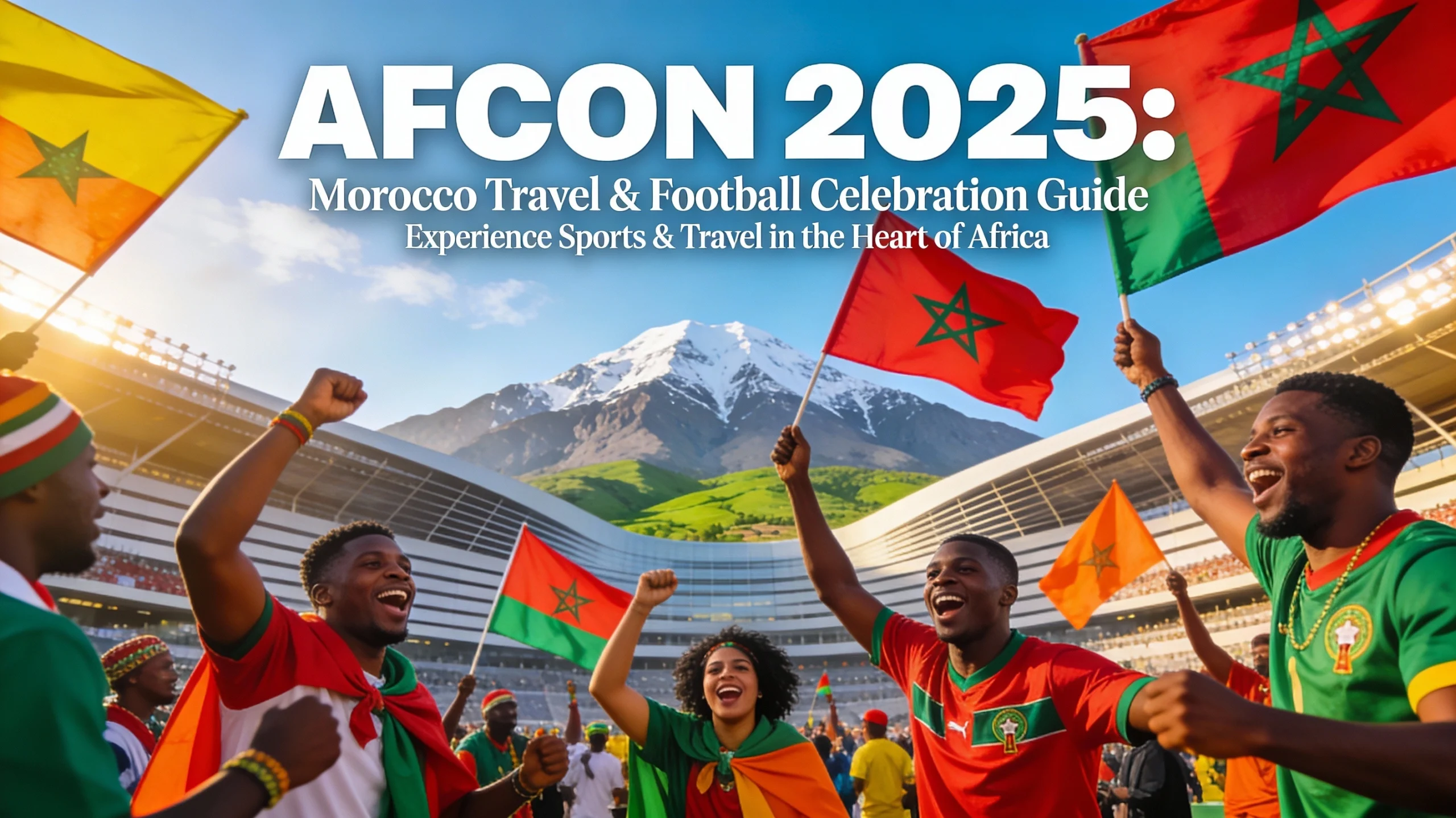
AFCON 2025 in Morocco, The Ultimate Travel Guide for Football Fans and Adventurers
The 2025 Africa Cup of Nations (AFCON) represents an unprecedented opportunity for tourists to witness Africa’s greatest sporting spectacle while experiencing one of the continent’s most captivating destinations. From December 21, 2025, to January 18, 2026, Morocco will host the 35th edition of this prestigious tournament, transforming its major cities into bustling hubs of football passion, cultural celebration, and unforgettable travel experiences. At SeeMoroccoTravel, we understand that attending AFCON 2025 is more than just watching world-class African football—it’s an opportunity to immerse yourself in Morocco’s rich heritage, explore vibrant markets, taste authentic cuisine, and create memories that will last a lifetime. This comprehensive guide will help you plan the perfect AFCON 2025 Morocco travel experience, covering everything from ticket acquisition to accommodation, transportation, and must-see attractions beyond the stadiums.
AFCON 2025 Morocco: Football, Culture, and Adventure Await
Tournament Overview and Schedule: Planning Your AFCON 2025 Journey
AFCON 2025 spans nearly four weeks of thrilling football action, with matches scheduled across six major host cities: Rabat, Casablanca, Tangier, Marrakech, Agadir, and Fez. Understanding the tournament structure and schedule is essential for optimizing your travel itinerary and maximizing your experience. The competition follows a format featuring 24 national teams divided into six groups of four, with matches commencing on December 21, 2025, when Morocco opens the tournament against Comoros in Rabat.
The tournament unfolds in several phases: the group stage runs from December 21-31, 2025, allowing fans to watch multiple matches and explore different host cities. The Round of 16 takes place January 3-6, 2026, followed by quarter-finals on January 9-10, 2026, semi-finals on January 14, 2026, the third-place playoff on January 17, 2026, and finally the grand final on January 18, 2026, hosted in Rabat at the magnificent Prince Moulay Abdellah Stadium. This extended schedule provides flexibility for international visitors to plan multi-week trips that combine football matches with cultural tourism.
Jemaa el Fna Square: Vibrant center of Marrakech
Host Cities and Stadium Venues: Africa’s Finest Football Infrastructure
Morocco has invested heavily in modernizing its football infrastructure specifically for AFCON 2025, creating world-class venues across its six host cities. Each stadium represents a blend of cutting-edge technology and traditional Moroccan architectural elements, offering fans comfortable viewing experiences and visitors excellent opportunities to explore diverse regions of the country.
Rabat: The Capital Hub
Rabat serves as the tournament’s primary hub, hosting four stadiums and the opening match and final. The Complexe Sportif Prince Moulay Abdellah, with a capacity of approximately 69,500, is AFCON 2025’s flagship venue. This recently renovated stadium features state-of-the-art facilities, improved seating, expanded hospitality areas, and modern pitch technology. The surrounding complex includes three additional venues: the Prince Hérétier Moulay El Hassan Stadium (22,000 capacity), the Rabat Olympic Stadium (21,000 capacity), and El Barid Stadium (18,000 capacity). Rabat, Morocco’s administrative capital, offers visitors access to historic palaces, museums, and the beautiful Kasbah of the Udayas overlooking the Atlantic Ocean.
Casablanca: Economic Powerhouse and Historic Legacy
Casablanca, Morocco’s largest and most cosmopolitan city, hosts matches at the iconic Mohammed V Stadium. With a capacity of approximately 67,000, this venue is one of Africa’s most historic stadiums, originally opened in 1955. The stadium serves as the heart of Casablanca’s sports culture and provides visitors with proximity to the city’s most famous attraction: the magnificent Hassan II Mosque, featuring the world’s second-tallest minaret at 210 meters. Additional highlights include the bustling Corniche Ain Diab beachfront, vibrant nightlife, and the city’s status as Morocco’s main international airport hub.
Tangier: Gateway to Africa
Tangier’s Ibn Batouta Stadium represents the tournament’s largest venue with a capacity of 75,000, making it an ideal setting for major knockout matches. Located at Morocco’s northern tip near the Strait of Gibraltar, Tangier offers visitors the unique experience of standing between two continents. The city’s medina showcases stunning architecture with Spanish influences, historic palaces, and beautiful coastal views.
Marrakech: The Jewel of Morocco
The Grand Stade de Marrakech, with a capacity of 45,240, will host crucial group-stage and knockout matches. Marrakech stands as Morocco’s premier tourist destination, famed for its vibrant Jemaa el-Fnaa square—a UNESCO-recognized cultural hub where street performers, merchants, and food vendors create an intoxicating sensory experience. Visitors can explore the Bahia Palace, wander through the enchanting Majorelle Garden with its iconic electric blue colors, climb to ancient palaces and riads in the medina, and experience traditional Moroccan life within the labyrinthine souks.
Agadir: Atlantic Paradise
Agadir’s Adrar Stadium, with a capacity of approximately 45,480, sits near the Atlas Mountains, providing one of the tournament’s most scenic backdrops. This coastal city offers visitors beautiful Atlantic beaches, fresh seafood dining, and a relaxed atmosphere. The modern infrastructure includes a marina and corniche perfect for evening strolls.
Fez: Spiritual and Cultural Heart
Fez Stadium, with a 45,000 capacity, hosts several group-stage matches in Morocco’s spiritual and cultural capital. Fez’s ancient medina—a UNESCO World Heritage Site—represents one of the world’s oldest functioning cities with medieval architecture that remains virtually unchanged since the Middle Ages. Visitors can explore the Al-Qarawiyyin University, the world’s oldest continuously functioning educational institution, witness the traditional leather-dyeing process at the famous Chouara Tannery, and experience centuries-old craftsmanship throughout the medina.
Securing Your AFCON 2025 Tickets: A Strategic Guide
Official ticket sales for AFCON 2025 are conducted exclusively through the CAF (Confederation of African Football) official ticketing platform at tickets.cafonline.com. Acquiring tickets requires careful planning, as popular matches—especially those featuring Morocco and the final—have experienced high demand.
Ticket Acquisition Process
To purchase tickets, all fans must first create a Fan ID through the YALLA App, available on both Android and iOS platforms. This mandatory step streamlines the ticketing and visa application processes. Visa cardholders received an exclusive 48-hour presale period from October 13-15, 2025, at 9:00 AM Morocco time. General public sales commenced immediately after, with tickets released in phases: 30% in phase one (September 27), an additional 30% in phase two (October 23), and the remaining 40% released on November 21.
Ticket Categories and Pricing
Ticket prices vary by category, with estimated ranges from 100-800 MAD (approximately $10-80 USD) depending on match significance and seating location. Category 1 (premium seating) typically costs 400-800 MAD, Category 2 (standard seating) ranges from 250-400 MAD, and Category 3 (general admission) costs 100-200 MAD. Each Fan ID permits the purchase of only one ticket per match, and a maximum of four tickets per person per match to prevent speculation.
Critical Ticketing Information
All tickets are digital and non-transferable, linked directly to your Fan ID for entry verification at stadiums. Physical tickets are not available; entry gates will scan QR codes from digital tickets. Popular matches, including all Morocco group-stage fixtures and the final, have largely sold out, so securing tickets for other compelling matchups—such as Egypt versus South Africa, Senegal versus DR Congo, or Ivory Coast versus Cameroon—is advisable.
Accommodation Options: Where to Stay Across Morocco’s Host Cities
Morocco offers accommodation across all price ranges, from luxury palace hotels to budget-friendly riads and hostels. Pricing fluctuates significantly during AFCON, with 30-50% premiums during tournament dates compared to regular seasons. Early booking—ideally by early November 2025—is essential to secure favorable rates and prime locations.
Budget-Friendly Options (€15-80/night)
Budget accommodations include hostels, simple hotels, and traditional riads that provide authentic experiences without luxury amenities. Casablanca’s Ibis Casablanca City Center and Hostel Maïssa offer convenient stadium proximity at €50-80 per night. Marrakech’s medina provides traditional riad guesthouses at €40-90 nightly, allowing visitors to experience Moroccan hospitality in historic settings. These accommodations suit backpackers and budget-conscious travelers prioritizing cultural immersion.
Mid-Range Hotels (€80-200/night)
Mid-range options provide comfort and reliability while maintaining reasonable costs. ONOMO Hotel Rabat Terminus (€100-170/night) sits mere meters from Prince Moulay Abdellah Stadium. Barceló Tanger (€120-200/night) and Diagonal Hotel (€100-180/night, opposite Ibn Battuta Airport) offer predictable quality and modern facilities. Riad Fès Maya (€70-130/night) and Barceló Fès Medina (€80-150/night) blend traditional aesthetics with contemporary amenities in Fez.
Luxury Accommodations (€250-600+/night)
Luxury hotels provide exceptional service, stunning locations, and premium facilities for those seeking maximum comfort. Four Seasons Hotel Casablanca (€350-700/night) offers oceanfront views and spa services. La Mamounia in Marrakech, ranked number 13 in the World’s 50 Best Hotels 2025, features 135 rooms, 71 suites, and three private riads from €600-1,500+ per night. Fairmont Tazi Palace in Tangier and Sofitel Royal Bay Resort in Agadir deliver luxury resort experiences with professional services.
Explore the Sahara Desert: Unforgettable Morocco Experiences
Transportation Between Host Cities: Seamless Moroccan Travel
Morocco’s well-developed transportation network makes traveling between AFCON host cities convenient and economical. Multiple options accommodate different preferences and budgets.
High-Speed Train (TGV)
Morocco’s Al Boraq high-speed train represents the fastest option for intercity travel. The Tangier-Casablanca route takes approximately 2 hours and costs around €22 (220 DH). The comfortable trains feature first and second-class seating, onboard Wi-Fi, and scenic views. Tickets are available online through ONCF website (Office National des Chemins de Fer) or at train stations.
Standard Trains
Standard train connections link most major cities, requiring slightly longer travel times but offering scenic routes. Marrakech to Casablanca takes 3 hours, Marrakech to Fez requires 7 hours, and Casablanca to Fez takes 4.25 hours. Night trains operate between certain cities, allowing visitors to maximize sightseeing time.
Intercity Buses
Modern intercity buses provide comfortable, reliable transportation with free Wi-Fi on larger company services. Supratours buses, owned by the national rail company ONCF, offer competitive pricing and convenient scheduling with online booking available. Bus travel to Agadir (9 hours from Casablanca) or between desert cities complements train networks that don’t serve all locations.
Domestic Flights
Royal Air Maroc (RAM) operates domestic flights connecting Casablanca to major cities, though flight duration plus airport logistics often makes trains or buses more practical for standard routes. Flights are most economical for time-consuming desert routes (Casablanca to Ouarzazate, Guelmim, or Zagora).
Private Transportation
SeeMoroccoTravel specializes in organized private transfers and multi-city tour packages, providing flexible, comfortable transportation with professional local guides. These services are ideal for groups and ensure seamless logistics between matches and cultural attractions.
Visa Requirements and Travel Documentation: Ensuring Smooth Entry
Morocco welcomes visitors from over 70 visa-exempt countries. Citizens of most European, American, Caribbean, and many African nations can enter visa-free for up to 90 days with a valid passport (minimum 6-month validity recommended). However, citizens of Algeria, Burkina Faso, Cape Verde, Gabon, Niger, Senegal, Togo, and Tunisia require special Electronic Travel Authorization (AEVM) during AFCON 2025 period.
AEVM Application Process
AFCON ticket holders apply for AEVM through the YALLA App, bundled together with their Fan ID application. This streamlined process is free of charge and optional for those attending matches. Other travelers from the eight specified countries apply via Morocco’s official eVisa portal, Access Maroc, where standard e-visas cost approximately 600 MAD. Processing typically requires 72 hours (standard) or 24 hours (express). Airlines verify valid AEVM before boarding, so applications must be completed before departure.
Documentation Checklist
- Valid passport with minimum 6-month validity beyond intended departure
- Return airline ticket or proof of onward travel
- Hotel reservation confirmations
- Proof of financial means (credit cards, cash)
- Travel insurance (recommended but not mandatory)
- AFCON match tickets (facilitates border processing)
Exploring Morocco Beyond Football: Cultural and Natural Wonders
AFCON 2025 provides the perfect framework for combining football excitement with Morocco’s incomparable cultural and natural attractions. Strategic match scheduling allows tourists to dedicate specific days to exploration while attending selected games.
Jemaa el-Fnaa: The Sensory Heart of Marrakech
Jemaa el-Fnaa represents one of the world’s most extraordinary public spaces, recognized by UNESCO as a Masterpiece of Oral and Intangible Heritage. This ancient square, dating to the 11th century, serves as Marrakech’s medina center where medieval and modern cultures blend daily. During daytime, visitors encounter snake charmers, orange juice vendors, henna artists, and traditional storytellers. As dusk falls, the square transforms into a vibrant circus of food stalls, street musicians, and entertainers, creating an intoxicating atmosphere unmatched anywhere on Earth.
Jemaa el Fna Square: Vibrant center of Marrakech
Chefchaouen: The Blue Pearl
Chefchaouen’s famous blue-washed medina nestles in the Rif Mountains, approximately 3 hours 45 minutes from Fez. This charming destination enchants visitors with its striking blue-painted buildings, narrow cobblestone streets, and artistic community. The city’s artistic heritage, relaxed atmosphere, and picturesque corners make it perfect for photography and experiencing authentic Moroccan village life while being easily accessible from AFCON host cities.
The Sahara Desert: Unforgettable Nomadic Experiences
Merzouga’s Erg Chebbi dunes offer transformative desert experiences, accessible from Fez via scenic routes through the Middle Atlas Mountains. Multi-day desert tours from Fez to Merzouga include camel treks across golden dunes at sunset, overnight stays in authentic Berber camps, and traditional Berber dinners with live music around campfires. These experiences provide stark contrast to urban football atmospheres and reveal the lifestyle of Morocco’s ancient desert communities.
Historic Medinas: Fez and Imperial Cities
Fez’s ancient medina—a UNESCO World Heritage Site since 1981—transports visitors to medieval times with its preserved 9,000 narrow alleyways and traditional architecture. Highlights include the Al-Qarawiyyin University (the world’s oldest functioning university, established in 859 AD), the Bou Inania Madrasa, and the famous Chouara Tannery where leather is dyed using centuries-old methods. Meknes and Fez together form part of Morocco’s imperial cities triangle, offering layers of Islamic and Moroccan architectural heritage.
Discover Chefchaouen: The Blue Pearl of Morocco
Moroccan Cuisine: Tasting the Soul of the Kingdom
Moroccan gastronomy represents one of the world’s great culinary traditions, blending North African, Berber, Arab, and Mediterranean influences into unforgettable flavor combinations. AFCON 2025 provides excellent opportunities to experience authentic cuisine beyond tourist restaurants.
The Sacred Tagine
Tagine—both the earthenware cooking vessel and the dish itself—represents the quintessential Moroccan meal, prepared in families across the kingdom at least weekly. Chicken tagine with preserved lemon and olives exemplifies classic preparation, with tender poultry braised with traditional Moroccan spices until melting in the mouth. Beef tagine with dried prunes features sweet and savory combinations, enhanced with cinnamon and orange blossom water. Lamb tagine, reserved for special occasions and honored guests, showcases meat’s natural sweetness paired with warming spices. Vegetarian options include artichoke and green pea tagine and Berber vegetable tagine, prepared with vibrant seasonal produce and aromatic chermoula sauce.
Traditional Moroccan Breakfast and Tea Culture
Moroccan breakfast (‘ftor’) features elaborate spreads, including baghrir (semolina pancakes), soft cheese (jben), local honey, argan oil, and amlou (almond-argan-honey spread). Fresh-baked bread accompanies numerous olives, cheeses, and spreads, creating an indulgent meal. Moroccan mint tea (‘atay’), served in ornate glasses, accompanies virtually all social interactions and meals, representing hospitality and cultural tradition.
Couscous and Regional Specialties
Couscous (‘seksu’), traditionally prepared on Fridays, features steamed semolina grains topped with meat or vegetable stews. Kefta tagine—spiced meatballs in tomato sauce with cracked eggs—represents another beloved classic. Coastal cities emphasize fish tagine with chermoula and vegetables, prepared with fresh catches, preserved lemons, and North African spices.
Dining Experiences
Budget travelers enjoy authentic meals in medina restaurants and food stalls for €2-5, while mid-range establishments serve traditional cuisine for €10-20. Luxury riads and restaurants offer multi-course Moroccan dinners (€30-60+) often accompanied by traditional music and performances. Moroccan cooking classes, available in Marrakech, Fez, and other cities, teach tourists to prepare authentic dishes under local chefs’ guidance, creating memorable culinary experiences.
Practical Travel Safety and Cultural Considerations
Morocco ranks among Africa’s safest destinations, with crime against tourists being extremely rare. The U.S., UK, Canada, Australia, and EU all classify Morocco as Level 1 (“exercise normal precautions”).
Common Sense Safety Guidelines
Avoid poorly lit areas at night and don’t walk alone in medinas after midnight—while perfectly safe until midnight, empty late-night alleyways present common-sense risks. Use only official petit taxis (identified by consistent city colors: red in Marrakech, blue in Fez, beige in Casablanca) with meters or pre-agreed fares. Keep valuables in money belts or hotel safes; pickpocketing risk exists primarily in crowded medina areas.
Women Travelers
Women travelers experience minimal issues through respectful dress (shoulders and knees covered in medinas and rural areas) and assertive politeness when declining unsolicited attention. Harassment typically amounts to verbal solicitation, effectively addressed with “La, shukran” (No, thank you) and continued walking. Popular beach towns, Casablanca’s Maarif district, and Rabat’s Agdal area permit standard summer clothing.
Water and Health
Tap water is unsafe for visitors; use filtered or bottled water, which hotels provide. Bottled water is universally available and inexpensive. Those concerned about plastic waste should carry reusable filtering bottles or water sterilization pens. Travel insurance including medical coverage is recommended.
Cultural Respect
Visitors should dress modestly, particularly in medinas and religious sites. Ramadan (during late February-early March 2026, after AFCON) requires sensitivity to fasting Muslims regarding eating, drinking, and smoking in public. Photography inside mosques is forbidden; non-Muslims can view mosque exteriors and courtyards.
Weather and Optimal Visiting Times: Planning Perfect Conditions
December through January offers ideal weather for AFCON attendance, with mild temperatures and minimal rainfall. Casablanca experiences December temperatures averaging 19.6°C (67°F) with occasional rainfall, while the coast remains pleasantly cooler than inland regions. Marrakech’s December weather ranges from 6°C to 19°C (43-66°F)—mild daytime temperatures but cool evenings requiring light jackets.
Spring (March-May) and autumn (September-November) typically offer Morocco’s most comfortable weather (15-28°C), though AFCON’s December-January timing provides adequate conditions for outdoor exploration. Avoid summer months (June-August) when temperatures in inland cities exceed 35°C (95°F), making daytime sightseeing uncomfortable. Morning mist occasionally occurs in coastal cities but dissipates quickly.
Maximizing Your AFCON 2025 Experience: Integrated Travel Itineraries
Strategic itinerary planning allows football fans to optimize match attendance with cultural tourism. A sample 7-day AFCON experience might include:
Days 1-2: Casablanca – Arrive at International Airport, explore Hassan II Mosque, Corniche beach, Old Medina
Day 3: Match Day in Casablanca – Attend Mohammed V Stadium fixture
Day 4: Marrakech – Train to Marrakech (3 hours), explore Jemaa el-Fnaa, Bahia Palace, Majorelle Garden
Day 5: Match Day in Marrakech – Grand Stade de Marrakech fixture
Day 6: Fez – Travel to Fez (7 hours or domestic flight), explore ancient medina, Al-Qarawiyyin University, Chouara Tannery
Day 7: Return/Match Day – Attend Fez Stadium match or depart
Multi-week visitors might extend this to include desert tours from Fez to Merzouga, coastal Agadir relaxation, or the enchanting Chefchaouen experience.
SeeMoroccoTravel: Your Dedicated AFCON 2025 Partner
As a locally-based Moroccan travel agency, SeeMoroccoTravel possesses unparalleled expertise in crafting exceptional AFCON 2025 experiences combining football excitement with authentic cultural immersion. Our services include:
- Customized tour packages integrating match attendance with cultural attractions
- Accommodation coordination across all host cities and price ranges
- Private transportation and transfers between stadiums and tourist destinations
- Experienced local guides providing cultural context and insider knowledge
- Multi-day desert tours combining AFCON travel with Sahara experiences
- Cooking classes and cultural workshops in Moroccan cities
- 24/7 on-site support ensuring seamless tournament experiences
- Group travel specialization with flexible, personalized itineraries
Conclusion: Creating Unforgettable AFCON 2025 Memories
AFCON 2025 in Morocco represents a once-in-a-generation opportunity to witness Africa’s premier football tournament while experiencing the kingdom’s unparalleled cultural heritage, stunning natural landscapes, and warm hospitality. By strategically combining match attendance with exploration of Morocco’s six host cities, visitors gain comprehensive experiences transcending football alone. Whether cheering magnificent goals in world-class stadiums, exploring medieval medinas, trekking across golden Sahara dunes, or savoring authentic tagine in family-run restaurants, AFCON 2025 offers transformative travel experiences. SeeMoroccoTravel stands ready to craft your personalized AFCON 2025 journey, leveraging our deep Moroccan roots and professional expertise to ensure every moment exceeds expectations. From visa applications through post-tournament reflections, we are your dedicated partners in creating memories that will resonate for decades. Book your AFCON 2025 Morocco experience with SeeMoroccoTravel today and discover why this magnificent tournament promises to be unforgettable.

Recent Posts
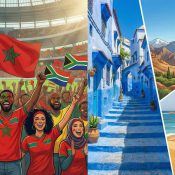
Welcome to Morocco, Your Ultimate AFCON and Tourism Guide